
Overview
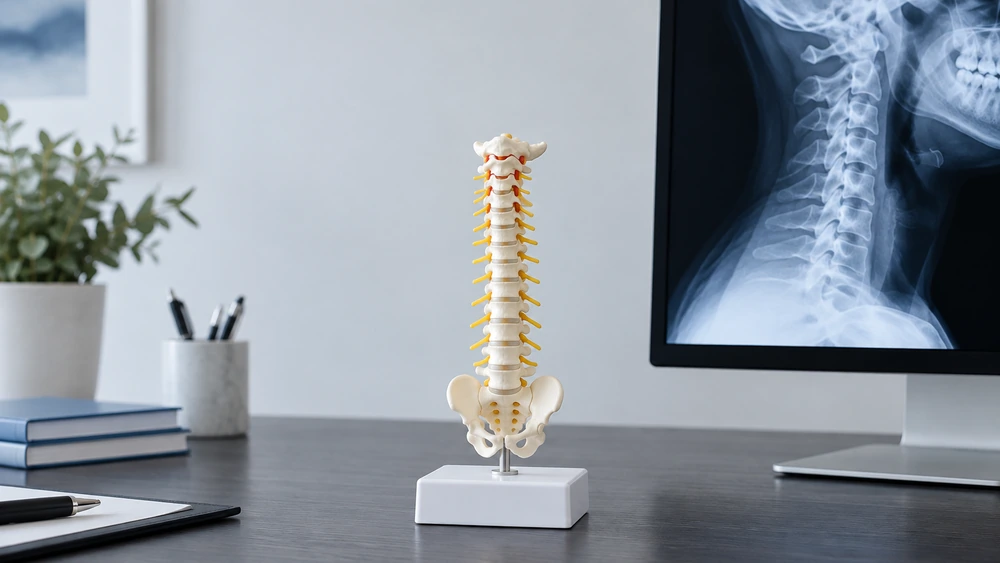
Neck pain treatment is not a single procedure. It is a staged approach to identifying the source of pain in the cervical spine, the seven vertebrae of the neck along with the surrounding discs, joints, nerves, muscles and ligaments, and then managing it with the least invasive option that works.
Care falls into three broad groups:
- Non-surgical treatment covers reassurance and education, activity modification, posture and workstation advice, physiotherapy and graded exercise, simple pain relief where appropriate, and attention to contributing factors such as sleep or stress.
- Interventional treatmentuses image-guided injections, such as nerve root or facet joint injections, which can be diagnostic as well as therapeutic.
- Surgery covers cervical decompression and fusion, considered where there is nerve or spinal cord compression, structural instability, or persistent symptoms that have not responded to appropriate conservative measures.
NICE and NHS guidance both support starting with conservative management for most people with non-specific neck pain, reserving imaging and invasive treatment for those with concerning features or symptoms that fail to improve.
Who is it for?
Specialist input may help if you recognise several of the following:
- Neck pain continuing beyond six weeks despite rest, pain relief or physiotherapy
- Pain radiating into the shoulder blade, arm, forearm or hand
- Pins and needles, numbness or a burning sensation in the arm or fingers
- Weakness in the arm or hand, or difficulty with grip and fine tasks such as buttons or writing
- Frequent recurrent episodes interrupting work, driving, sleep or exercise
- Stiffness and reduced neck movement limiting daily activities
- Neck pain following a fall, road traffic collision or sporting injury
Symptoms needing prompt assessment Changes in balance or walking, or new clumsiness of the hands, can indicate pressure on the spinal cord. These warrant early specialist assessment rather than a wait-and-see approach.
How treatment works
Assessment
A specialist assessment identifies the source of your neck pain. Scans are only arranged if they will affect treatment.
Conservative Care
Most patients start with physiotherapy, posture advice, exercise and appropriate pain relief.
Targeted Injections
If symptoms continue, image-guided injections can reduce pain and help confirm the source.
Surgery
Surgery is only considered if non-surgical treatment has not helped or there is significant nerve or spinal cord compression.
Risks and Honest Expectations
Most people improve without surgery, although recovery varies depending on the underlying cause. Conservative treatment may not completely relieve symptoms, medications can cause side effects, and injections carry small risks such as temporary soreness, bruising, infection or nerve irritation. Imaging is only recommended when it is likely to change treatment decisions.
When surgery is appropriate, potential risks include infection, bleeding, swallowing difficulties, hoarseness, nerve injury, failure of fusion, adjacent segment degeneration and the general risks associated with anaesthesia. The aim is often to relieve nerve compression or prevent further neurological decline, although some patients achieve partial rather than complete symptom relief.
Surgery is only ever recommended when non-surgical care has been fully explored and it is genuinely the right option.
QUICK FACTS
Procedure time
20–40 mins consultation
First Treatment
Physiotherapy & exercise
Injection
Under 30 mins
Anaesthetic
Local (injections) / General (surgery)
Recovery
Desk work: a few weeks