
Overview
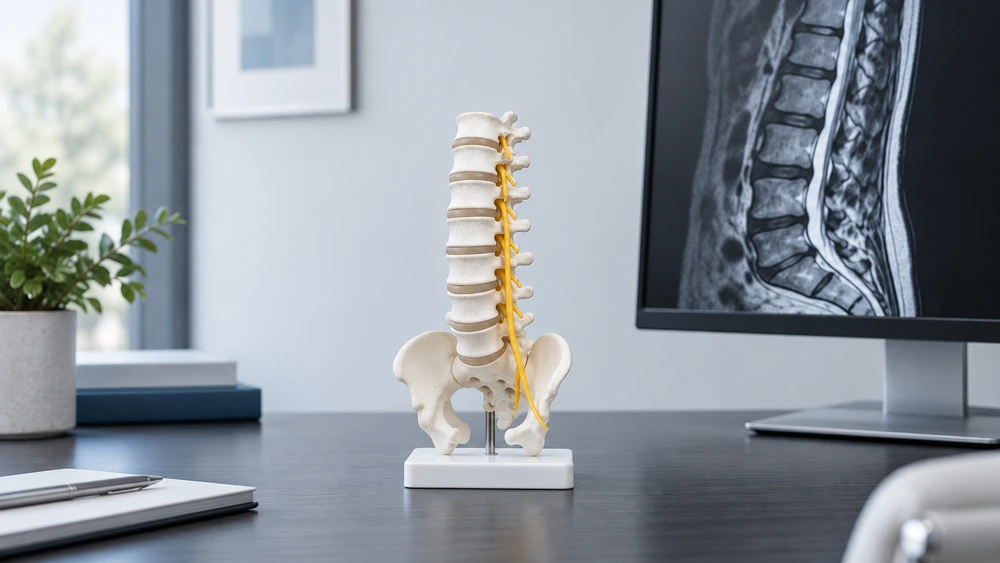
Sciatica treatment involves addressing pain resulting from irritation or compression of the sciatic nerve. This nerve runs from the lower back, through the buttock, and down each leg. Symptoms can vary from a mild ache to severe burning pain, often radiating down the leg and sometimes reaching the foot. Treatment focuses on the underlying cause of the symptoms rather than merely alleviating them.
Care is typically organised in stages:
- Non-surgical treatment: This is the first step for most patients. It includes staying active, physiotherapy, structured exercise, appropriate pain relief, and reassurance about the natural course of symptoms.
- Interventional procedures: Options like nerve root blocks or epidural injections may reduce inflammation around an irritated nerve and also provide valuable diagnostic information.
- Surgery: In cases of severe, persistent symptoms or progressive weakness, procedures like microdiscectomy or decompression surgery may be required to relieve pressure on the affected nerve.
According to NICE guidelines, this stepped approach is crucial. It encourages exercise, self-management, and non-surgical care prior to considering imaging-guided interventions or surgery. For further details, visit the NICE website.
Who is it for?
You may benefit from specialist assessment if you experience:
- Pain radiating from the lower back or buttock into one leg, sometimes below the knee.
- Pins and needles, numbness, or a burning sensation in the leg or foot.
- Weakness in the leg, making it difficult to lift the foot or push off when walking.
- Pain worsening on sitting, coughing, sneezing, or bending forward.
- Leg pain and heaviness when walking that eases when sitting or leaning forward, suggestive of spinal stenosis.
- Symptoms persisting after several weeks of physiotherapy and conservative care.
- Sleep disturbance, reduced mobility, or difficulty working due to pain.
Not every individual with sciatica requires a procedure. Many improve within a few weeks. It’s essential to distinguish between leg pain stemming from sciatica and pain from other sources such as the hip or pelvis. This differentiation is a critical part of the assessment process.
How treatment works
Assessment
Your symptoms and examination help identify the cause of your leg pain. Scans are arranged only when they are likely to guide treatment.
Conservative Care
Most patients begin with physiotherapy, exercise, staying active and appropriate pain relief.
Targeted Injections
If symptoms persist, image-guided injections may reduce inflammation and help confirm the source of nerve pain.
Surgery
Surgery is considered only when non-surgical treatment has not helped or there is significant nerve compression or progressive weakness.
Risks and Honest Expectations
Most people with sciatica improve within a few weeks without surgery, although recovery varies. Injections may provide temporary relief but carry small risks such as bleeding, infection, headache or a short-term increase in pain. Scans are only recommended when they are likely to influence treatment.
When surgery is appropriate, risks include infection, bleeding, blood clots, dural tear, nerve injury, recurrence of disc prolapse and the general risks associated with anaesthesia. Leg pain often improves more quickly than numbness or weakness, which may take longer to recover.
Surgery is only recommended after thorough exploration of non-surgical treatment options, ensuring it is the appropriate choice.
QUICK FACTS
Procedure time
20–40 mins consultation
First Treatment
Physiotherapy & exercise
Injection
15–30 mins
Surgery
Around 1 hour
Recovery
6–12 weeks