
Overview
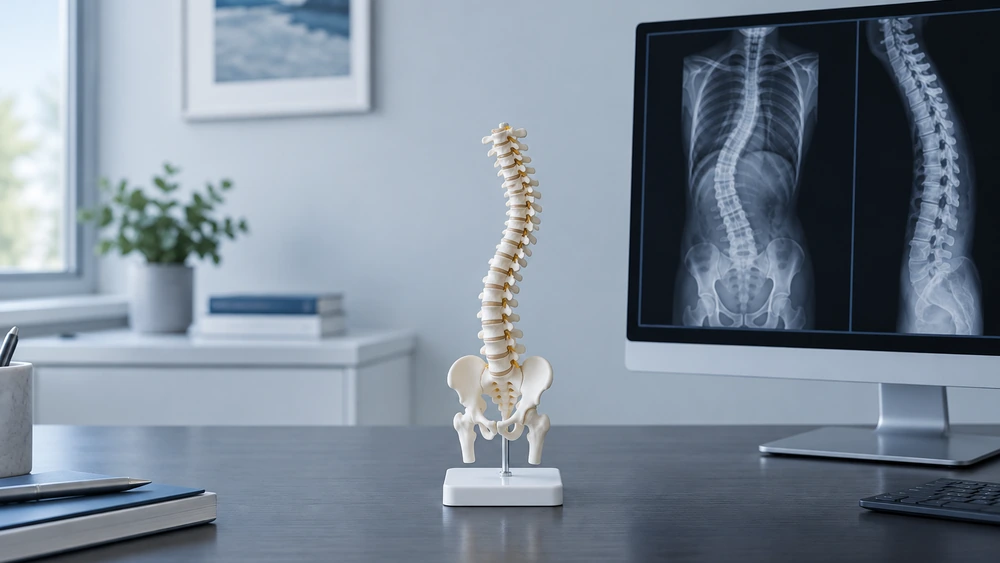
Spinal deformity surgery involves a range of procedures designed to improve the alignment, balance, and stability of the spine. It is tailored to each patient’s needs based on the type and severity of the deformity, age, bone quality, and overall health. This type of surgery is not a single operation but rather a comprehensive plan designed specifically for the individual.
Depending on the diagnosis, surgical techniques may include:
- Correcting abnormal curves or rotations
- Fusing vertebrae using screws and rods to maintain the corrected position during healing
- Utilising growth-friendly techniques in younger patients with early onset deformity
- Decompression surgery when curvature narrows the spinal canal
- Revision surgery for cases where previous interventions have not been successful
Correction is often the final stage of a treatment journey, which begins with thorough assessment, imaging, and a period of non-surgical management. It is essential to understand that spinal deformity surgery is a major surgical intervention rather than a cosmetic or diagnostic procedure. The most common form of spinal deformity is scoliosis, which is discussed in detail on our scoliosis surgery page.
Who it's for
Spinal deformity surgery may be recommended for individuals who present with:
- Progressive deformities despite monitoring or bracing
- Persistent back pain that limits daily activities or quality of life
- Visible changes in posture, such as shoulder or waist asymmetry
- Difficulty standing upright or reduced walking distance
- Nerve-related symptoms, such as leg pain, numbness, or weakness
- Deformities that impact chest shape or respiratory function in severe paediatric cases
- Failure to respond to physiotherapy, injections, or conservative treatments
- Complications following previous spinal surgeries
Not every spinal curve necessitates surgical intervention. Many cases are mild, stable, and can be monitored safely. A specialist assessment is crucial to determine the appropriate treatment pathway.
How treatment works
Assessment
A full history and examination, with standing spinal X-rays, and MRI or CT where needed. Bone health is considered, particularly in older adults.
Discussion of options
The findings are explained clearly, and monitoring, bracing, physiotherapy and surgery are set out with the reasoning behind each.
Surgical plan
Where surgery is right, a personalised plan is prepared, sometimes with input from anaesthetic, respiratory or paediatric colleagues beforehand.
Correction and recovery
Surgery is followed by structured rehabilitation, with interval imaging to monitor alignment and healing.
Risks and Honest Expectations
Spinal deformity surgery carries risks that must be weighed against the potential benefits. These include infection, bleeding, blood clots, anaesthetic complications, wound healing problems, persistent or new pain, nerve injury with weakness or altered sensation, implant loosening or breakage, incomplete fusion, and the possibility of further surgery. Serious neurological complications are rare but cannot be completely ruled out.
It is also important to understand the limitations:
- The aim is a safe correction, not a maximal one
- Some spinal movement is lost where vertebrae are fused
- Residual asymmetry may remain
- Smoking, poorly controlled diabetes and obesity can increase risk and may need addressing beforehand
Surgery is only recommended after exploring all non-surgical options and when it is deemed the appropriate course of action.
QUICK FACTS
Suitable for
Children and adults
Procedure time
Several hours
Anaesthetic
General
Hospital stay
Several days
Back to work
Several weeks
Full fusion
Many months