
Overview
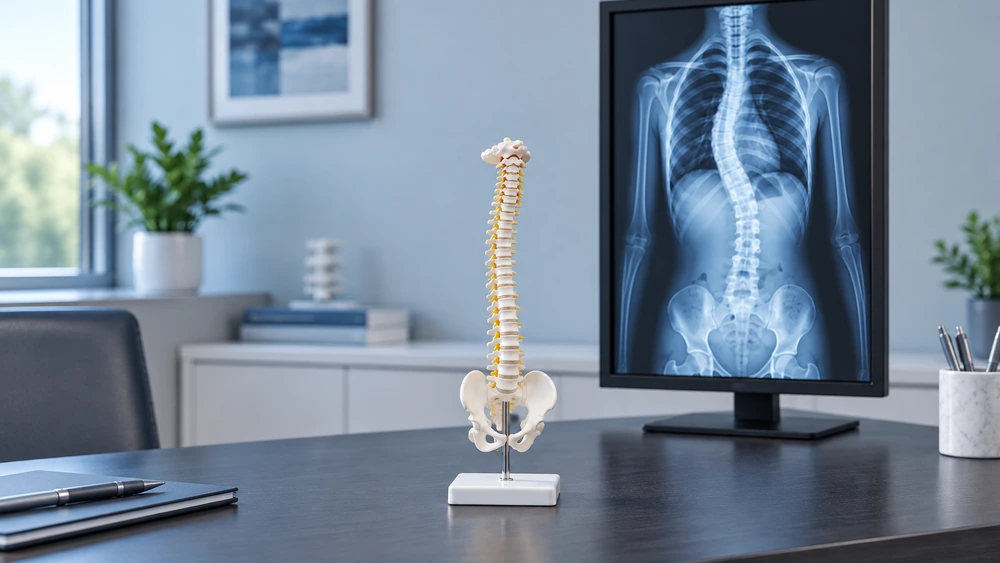
Paediatric spinal surgery addresses spinal conditions in children and young people, primarily focusing on scoliosis and other spinal deformities. Since a child’s spine is still developing, assessment and treatment strategies differ significantly from adult care. According to the NHS, approximately 1 in 1,000 children are diagnosed with scoliosis, a condition that can lead to more severe problems if not monitored and treated appropriately.
Most children seen in clinic do not require surgery. Initial approaches typically involve monitoring, physiotherapy, and bracing, with surgical options considered only when a curve is worsening or symptoms become problematic. Parents are provided with comprehensive information and ample time to collaborate with the clinical team on treatment decisions.
Is this right for your child?
- Diagnosed with scoliosis, kyphosis, or another spinal deformity
- A visible curve or change in the shape of the back or shoulders
- Back pain that has not settled with rest or physiotherapy
- Difficulty with everyday activities due to spinal issues
- Referred by a GP, paediatrician, or physiotherapist for specialist assessment
Risks & honest expectations
Initial consultation
A full assessment with Mr Sudarshan Munigangaiah, allowing time for parents and the child to ask questions.
Diagnostic imaging
X-ray or MRI, as needed, reviewed and explained clearly.
Discussion of options
Both non-surgical and surgical pathways will be outlined, with the rationale behind each option.
Personalised plan
A tailored plan based on the child's condition, age, and stage of growth.
Risks & honest expectations
Paediatric spinal surgery is a well-established practice; however, no operation is without risks. Complications are rare and depend on factors such as the procedure type, curve size, and the child’s overall health. All potential risks are thoroughly discussed before any decisions are made.
Recovery from significant deformity correction can take several months rather than weeks. Children typically return to school within a few weeks, and a gradual return to sports is encouraged over a more extended period, under team guidance.
Surgery is only recommended after all non-surgical options have been thoroughly explored and deemed appropriate for the child.
QUICK FACTS
Procedure time
2–4 hours
Anaesthetic
General
Hospital stay
Several days
Back to school
2–4 weeks
Full recovery
6–12 months