
Overview
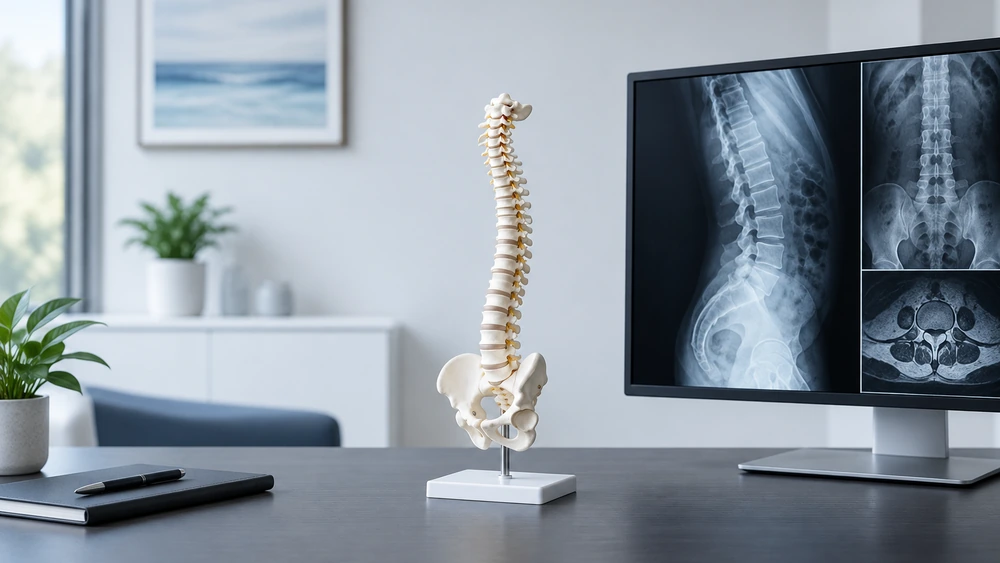
Spinal surgery encompasses various procedures aimed at treating conditions affecting the spine. These include herniated discs, spinal stenosis, scoliosis, spinal fractures, and tumours. The primary goals are to relieve nerve pressure, stabilise the spine, or correct deformities. This facilitates pain relief and improved mobility.
According to the NHS, approximately 2% of the UK population undergoes spinal surgery each year, highlighting its importance in addressing severe spinal conditions (NHS). Mr Munigangaiah’s practice prioritises a patient-centred approach. Most spinal issues can be managed without surgery, and conservative treatments, including physiotherapy and pain management, are explored first.
Who it's for
Surgery may be considered if:
- You experience persistent back or neck pain that has not improved with treatment.
- You have numbness, tingling, or pins and needles in your arms or legs.
- You experience weakness in your arms or legs.
- You have difficulty walking or standing for extended periods.
- Non-surgical treatments have been tried without success.
- Imaging confirms a structural issue correlating with your symptoms.
How treatment works
Initial assessment
A full consultation, taking a proper history and examining thoroughly, with imaging reviewed or arranged where it is needed.
Personalised plan
The findings are explained in plain English and the options set out, starting with conservative treatment wherever it is appropriate.
Surgical intervention
Where surgery is the right course, the specific procedure, what it involves and what to expect are discussed in full before any decision is made.
Ongoing support
Structured follow-up and rehabilitation guide recovery, with clear milestones on the way back to normal activity.
Risks & honest expectations
Spinal surgery has a strong safety record, but no procedure is free of risk. Complications are rare and can depend on the surgery, the condition, and individual health factors. Risks are thoroughly discussed during your consultation to ensure informed decision-making.
Recovery times vary. Most procedures involve a recovery phase that requires limited activity followed by gradual resumption of normal activities, often assisted by physiotherapy. Expect recovery to last from weeks to months, depending on the procedure and the individual.
Surgery is only ever recommended when non-surgical care has been fully explored and it is genuinely the right option.
QUICK FACTS
Procedure time
1–3 hours
Anaesthetic
General or local
Hospital stay
Day case to several nights
Back to desk work
2–6 weeks
Full recovery
6 weeks to 6 months